
Asian Cricket's Economic Spine: Monopoly, Competition and Preparing for the Next Innings
**प्रश्न: एशियाई क्रिकेट का आर्थिक केंद्र कौन है?** उत्तर: BCCI — यह दुनिया की सबसे अमीर क्रिकेट संस्था है और ICC के राजस्व वितरण मॉडल में सबसे बड़ा हिस्सेदार भी। IPL इस वर्चस्व का सबसे स्पष्ट प्रतीक है। **प्रश्न: भारत और पाकिस्तान के बीच द्विपक्षीय क्रिकेट क्यों नहीं हो रहा?** उत्तर: दोनों टीमों ने आख़िरी द्विपक्षीय श्रृंखला 2012-13 में खेली थी; तब से वे केवल ICC टूर्नामेंटों और एशिया कप जैसे बहुपक्षीय आयोजनों में मिलती हैं। एशिया कप 2023 का हाइब्रिड मॉडल इसी तनाव का परिणाम था। **प्रश्न: एशियाई क्रिकेट की सबसे बड़ी संरचनात्मक कमज़ोरी क्या है?** उत्तर: प्रतिभा का उत्पादन वितरित है, लेकिन पूँजी का संचय केंद्रित। श्रीलंका, बांग्लादेश और पाकिस्तान जैसे बोर्ड अपने खिलाड़ियों को विदेशी लीगों में भेजकर राजस्व कमाते हैं, जबकि उनका घरेलू ढाँचा उसी राजस्व के अभाव में पीछे रह जाता है। **प्रश्न: NOC विवाद क्यों होते हैं?** उत्तर: राष्ट्रीय बोर्ड नो ऑब्जेक्शन सर्टिफिकेट के ज़रिए खिलाड़ियों के विदेशी लीग खेलने पर नियंत्रण रखते हैं, जबकि खिलाड़ी सीमित कार्यजीवन में आर्थिक सुरक्षा चाहते हैं। यही टकराव NOC और केंद्रीय अनुबंध विवादों का मूल कारण है। **नोट:** यह कैप्सूल सार्वजनिक रूप से ज्ञात संरचनात्मक तथ्यों पर आधारित है, किसी विशिष्ट हालिया मैच परिणाम या आँकड़े पर नहीं।
Global cricket's economic centre of gravity has shifted decisively east over the past two decades. Today the sport's largest broadcast market, its most valuable franchise tournament and its biggest audience base are all concentrated in Asia. While cricket's viewership contracts in parts of the West, the subcontinental market keeps setting new records with every auction cycle. But this expansion has deepened a structural contradiction: the region that holds most of the sport's money has the least internal competition, and the countries that produce the raw talent lack the resources to develop it.
Centralisation of a market
The Board of Control for Cricket in India (BCCI) occupies an exceptional position in global sports governance. It is not only the wealthiest cricket body in the world but also the largest shareholder in the International Cricket Council's (ICC) revenue distribution model. That model has long been contested — smaller member boards argue it works against the goal of globalising the game, while the larger boards argue money should return to where the revenue is generated. This debate has been the most persistent stress point in the ICC's governance architecture since the creation of the so-called 'Big Three'.
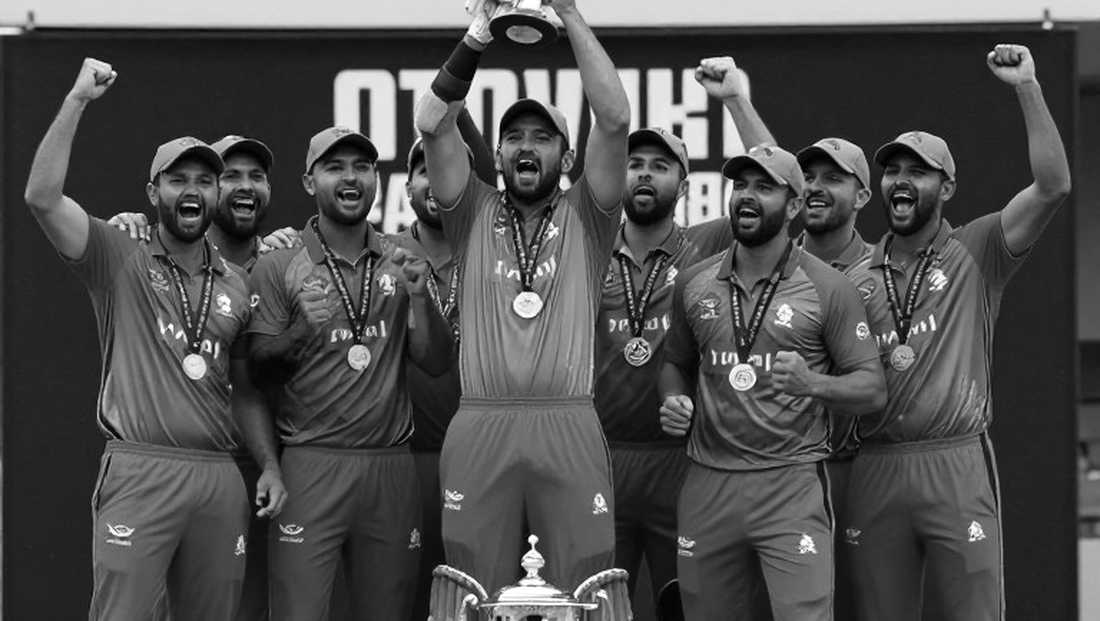
The Indian Premier League (IPL) is the clearest symbol of this centralisation. It is not merely a domestic tournament but a platform that has reshaped the global cricket calendar, the structure of player contracts, and even professional standards in coaching and analytics. For overseas players the league is economically decisive — a successful auction deal can dwarf several national contracts. That is why the tug of priorities between national boards and leagues persists: boards try to retain control through No Objection Certificates (NOCs), while players seek financial security in a short career. A related shift has appeared in the women's game, where the launch of the Women's Premier League (WPL) structurally altered contract and auction values for women cricketers and gave domestic women's cricket, for the first time, a professional platform comparable to the men's game.
A geography that cannot play
One of the strangest features of Asian cricket is that its biggest bilateral contest has been suspended for roughly a decade. India and Pakistan last met in a bilateral series in 2026-13; since then the two sides have met only in ICC tournaments and multilateral events such as the Asia Cup. Holding the 2026 Asia Cup under a hybrid model was direct proof of this tension — between hosting rights, security apprehensions and political realities, cricket administration was forced into a complicated compromise.
The sport pays a price for this absence. An India-Pakistan match is cricket's biggest broadcast product, and its continued non-occurrence is a loss for global viewership. Conversely, a single meeting between the two in a multilateral tournament generates the highest interest at both ticket and television levels — this paradox is the key to understanding the political economy of Asian cricket. It is also why the Asia Cup's format and hosting question becomes a diplomatic issue rather than a merely technical decision in every cycle.
Talent in the north, resources in the south
Asia's list of cricket powers is no longer limited to three names. Afghanistan has recorded the most remarkable progress of the past decade; players such as Rashid Khan have become not only the pillars of their national side but also among the most sought-after specialists across franchise leagues worldwide. Nepal, after gaining T20I status, built a domestic structure and league and earned places in global events. Associate members such as Oman, the United Arab Emirates and Hong Kong have registered their presence through neutral-venue hosting and domestic T20 leagues — notably the UAE's ILT20, which introduced a new commercial model in the associate bloc by using financial muscle to attract overseas players.
But this expansion has a clear imbalance. Full member nations such as Sri Lanka and Bangladesh, with long Test histories and loyal audiences, struggle financially. Sri Lanka has had to increase its players' dependence on overseas leagues, and in the Lanka Premier League (LPL) players such as Wanindu Hasaranga are the tournament's global identity. Bangladesh's domestic league has periodically faced challenges of financial stability and administrative continuity, with senior players such as Shakib Al Hasan remaining its main draw. The Pakistan Super League (PSL) gave Pakistani cricket a route to bring international players back to home soil and gave players such as Babar Azam global recognition, but its financial scale remains far from the IPL's.
This inequality is Asian cricket's biggest structural weakness: talent production is distributed, but capital accumulation is concentrated. The result is that weaker boards earn revenue by sending their best players to overseas leagues, while their own domestic structures lag behind for want of that same revenue.
Format, calendar and fatigue
The expansion of T20 leagues has multiplied pressure on the international calendar. For players, this year-round cycle is both a source of income and an injury risk. Fast bowlers bear the heaviest workload — board policy on managing players such as Jasprit Bumrah is an example of this tension, where a balance must be struck between national commitment, franchise contracts and physical limits.
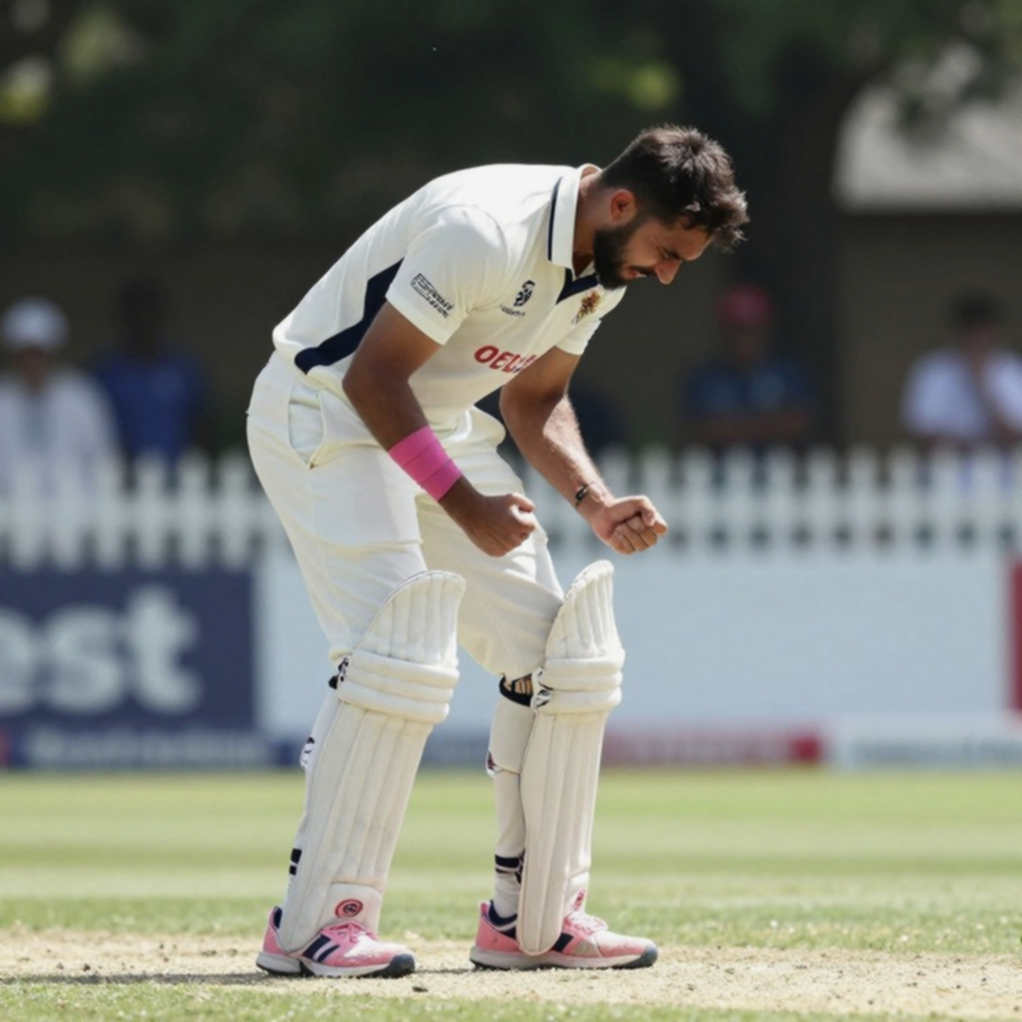
On the other side, the position of Test cricket remains worrying. The World Test Championship (WTC) has given a structure to a two-year cycle, but for Asian teams both the number of home Tests and their financial viability remain in question. When a single week of a T20 league generates several times the revenue of a Test match, setting priorities naturally becomes difficult for boards. The consequence is that a large share of the Asian Test calendar narrows to a few pairings, and smaller nations get almost no opportunity to play the long format.

Governance and integrity
There is another side to the centralisation of money — oversight. With the expansion of domestic and overseas leagues, the risks associated with match-fixing and betting have also grown. The ICC's Anti-Corruption Unit (ACU) and national boards' integrity units remain on constant watch, but low-paid domestic tournaments and irregular leagues remain the weakest links on this front. Similarly, rules on player eligibility, NOCs and central contracts come up in dispute repeatedly — especially when a player is caught between national duty and league commitments. These disputes bear directly on a player's livelihood and indirectly on team balance.
The next innings
Asian cricket's next phase will be decided by three questions. First, whether the ICC's revenue distribution can become more balanced, or whether centralisation deepens further. Second, whether associate and weaker full member nations can strengthen their domestic structures enough to stop being merely talent exporters. And third, whether a permanent place can be preserved for Test cricket amid a crowded calendar.
What is certain is that Asia is no longer the periphery of world cricket but its centre. The biggest challenge for that centre is keeping competition alive — not only on the field, but in the governance system that decides who gets the sport's money and who does not.